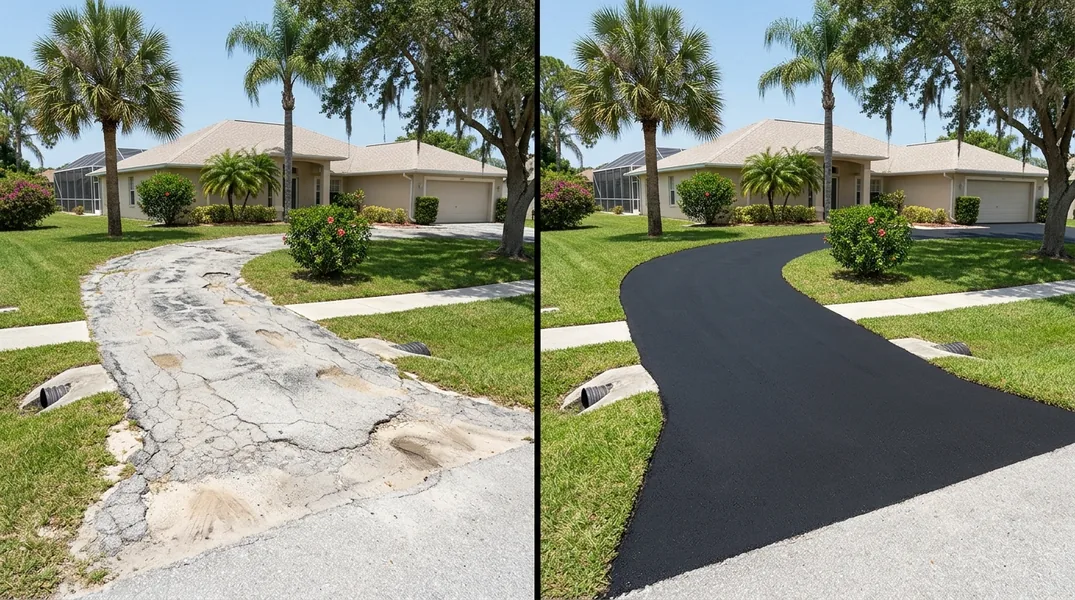
How Long Does New Asphalt Take to Cure?
When you invest in Asphalt Driveway Paving & Installation in Cape Coral, understanding the curing timeline is essential for protecting your investment. The asphalt curing process is not instantaneous. While the surface may feel firm within a few hours, the material continues to harden and set for weeks. How long for asphalt to cure depends on several factors, including temperature, humidity, and the specific asphalt mix used by your contractor.
In Cape Coral's warm climate, curing typically happens faster than in cooler regions. Most new asphalt reaches initial set within 24 to 48 hours, meaning the surface becomes walkable and safe for light foot traffic. However, full curing can take anywhere from 30 to 90 days, depending on weather conditions and the thickness of your asphalt layer. During hot summer months, the Florida sun can actually accelerate the curing process, though extreme heat can also create stress on the material if it's not properly maintained during this critical period.
How Long Before You Can Drive on New Asphalt?
One of the most common questions homeowners ask is how long before you can drive on new asphalt. The answer requires patience, as driving on fresh asphalt too soon can cause permanent damage to your driveway. Most contractors, including Cape Coral Asphalt Paving, recommend waiting at least 48 hours before allowing vehicle traffic on newly installed asphalt. This gives the surface enough time to set and develop initial structural integrity. However, this is just the minimum. For heavier vehicles or regular use, waiting 7 to 10 days is the safer choice.
During the first week, even light driving can leave tire marks or indentations in the asphalt if the material hasn't fully cured. The warmer the weather, the softer the asphalt remains, so summer installations in Cape Coral may require longer waiting periods than spring or fall installations. If you must use your driveway during the curing period, drive slowly and avoid sharp turns or sudden braking. For full strength and longevity, allow 30 days before subjecting your new driveway to regular, heavy use. If you have questions about your specific installation timeline, contact Cape Coral Asphalt Paving at (239) 341-5452 for guidance tailored to your project.
New Asphalt Driveway Care: The First 30 Days
New asphalt driveway care during the first month sets the foundation for years of durability. Immediately after installation, your driveway is vulnerable to damage from weather, traffic, and environmental factors. The most important rule is to keep heavy loads and vehicles off the surface for at least the first week. This includes delivery trucks, RVs, and motorcycles with kickstands that concentrate weight in small areas. Even parking in the same spot repeatedly can create soft spots or depressions before the asphalt fully cures.
Weather protection is equally critical during this period. While rain won't damage curing asphalt, standing water can create soft spots, so ensure proper drainage around your driveway. Avoid power washing or using harsh chemicals on new asphalt, as these can strip away the top layer before it's fully hardened. If you notice any small cracks or areas of concern during the first month, document them and contact your contractor. Many reputable paving companies offer follow-up inspections to address minor issues before they become serious problems. Proper new asphalt driveway care in these early stages can extend your driveway's lifespan by years.
Navigating Your First Summer: Heat and Expansion
Summer in Cape Coral brings intense heat, which affects your newly installed asphalt in ways homeowners should understand. As temperatures rise, asphalt expands slightly. This is normal and expected, which is why professional contractors leave small gaps at the edges of driveways and around obstacles. These expansion joints allow the material to move without cracking. During your first summer, monitor your driveway for any unusual cracking patterns or soft spots that may develop as the material experiences its first full heat cycle.
The intense Florida sun also accelerates oxidation, which can cause the asphalt to fade from jet black to a lighter gray over time. While this is purely cosmetic and doesn't affect structural integrity, many homeowners choose to apply a sealant after the first summer to restore color and add a protective layer. Speaking of sealants, you may wonder how often to seal driveway after your initial installation. Most experts recommend waiting until the asphalt has fully cured (around 90 days) before applying the first seal coat. After that, seal your driveway every 2 to 3 years to maintain protection and extend its lifespan. If you're unsure about the right maintenance schedule for your specific driveway, Cape Coral Asphalt Paving can provide personalized recommendations during a free estimate.
Common Mistakes to Avoid During Curing
Even with the best intentions, homeowners sometimes make mistakes during the asphalt curing period that can compromise their driveway's longevity. One of the most common errors is allowing vehicles to park on the new asphalt before it's fully set. Another frequent mistake is pressure washing the surface too early, which can damage the fresh asphalt and create uneven wear patterns. Some homeowners also make the error of applying sealant too soon, before the asphalt has properly cured. Premature sealing can trap moisture in the asphalt, leading to blistering and peeling.
Additionally, avoid placing heavy objects like air conditioning units, hot tubs, or large planters on new asphalt during the first 90 days. Even stationary weight can create permanent impressions in incompletely cured material. If you need Driveway Repair due to damage during the curing period, address it promptly to prevent further deterioration. The good news is that most quality asphalt installations, when properly cared for during curing, develop into durable surfaces that last 15 to 20 years or more.
When to Schedule Your First Seal Coat and Beyond
After your asphalt has fully cured, typically around 90 days post-installation, you can begin thinking about seal coating. How often to seal driveway is a question that depends on your local climate, traffic volume, and the quality of your initial installation. In Cape Coral's hot, humid environment with intense UV exposure, seal coating every 2 to 3 years is recommended to maintain optimal protection. A quality seal coat acts as a barrier against UV rays, water infiltration, and oxidation, significantly extending your driveway's life and keeping it looking fresh.
Your first seal coat is particularly important because it locks in the asphalt's flexibility and prevents early cracking. After the first application, establish a maintenance schedule that works for your household. If you're unsure whether your driveway needs resealing, look for signs like fading color, small cracks, or water pooling on the surface. Regular maintenance through seal coating is far more cost-effective than dealing with major repairs like Pothole Repair & Asphalt Patching or Asphalt Resurfacing & Overlay down the road. For expert advice on your driveway's maintenance needs, call Cape Coral Asphalt Paving at (239) 341-5452 today.
Looking for a professional asphalt paving contractor in Cape Coral? Cape Coral Asphalt Paving responds fast for all your asphalt paving needs.
Get a Free Quote